
Ah, August
Time to Enjoy the Garden, Because It's Not All Work!
This is it, the time to truly enjoy the bounties of all that toil in the garden from spring and early summer - you know, tomatoes, basil, flowers, more produce than you can eat or can or dehydrate, and the opportunity to stop and contemplate the garden before switching gears to fall.
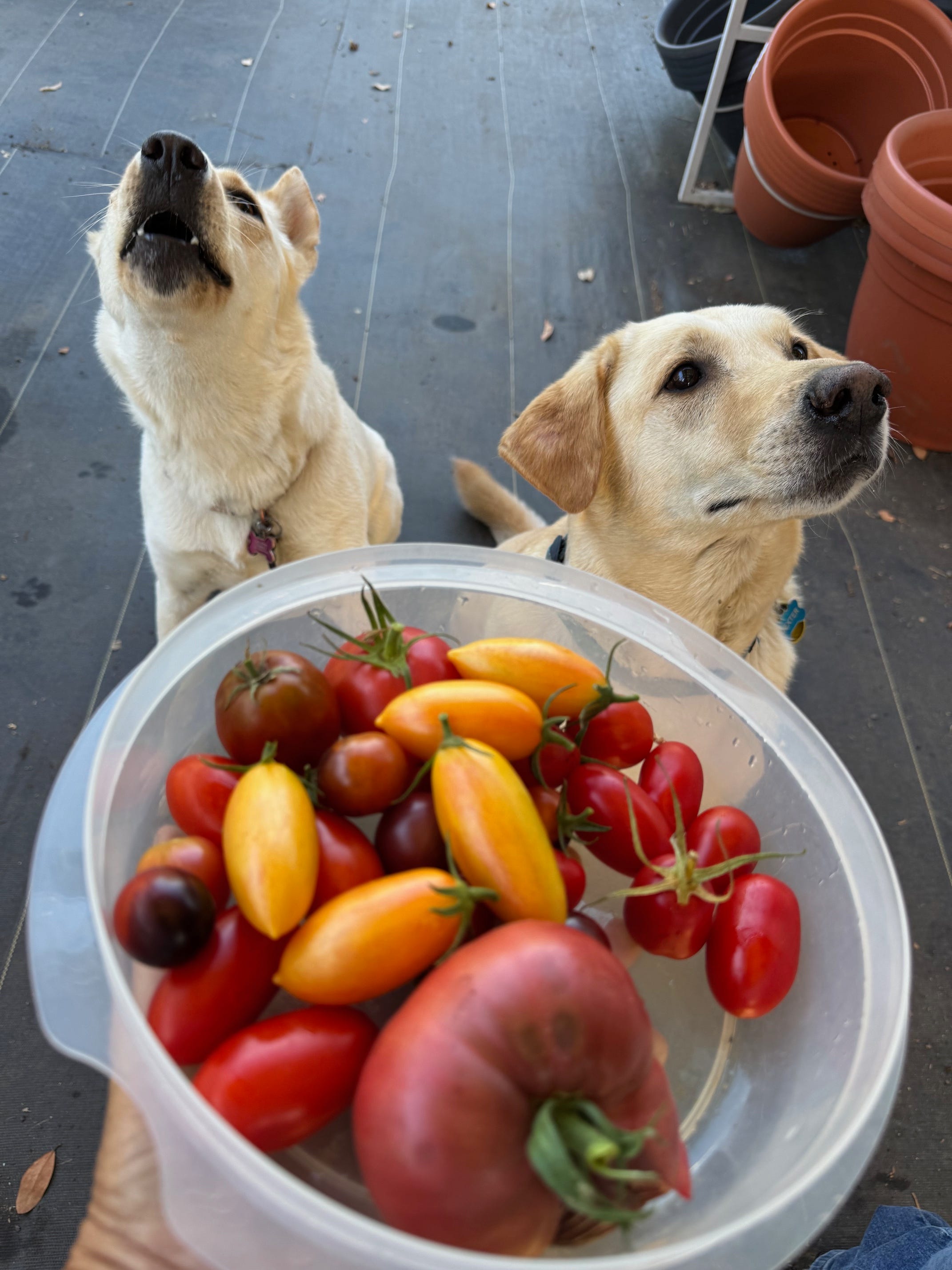
Sometimes I enter August with an exhausted thud after a heat pounding July, but this year California summer has been downright pleasurable. So far, August looks like another strangely beautiful month in California, which for those of us who work outdoors is fabulous news. My garden might look lovely all the way through summer? That would be a first.
August is a good time for garden education, and on the first Saturday of August is always my favorite gardening event to attend. If you are ready to learn about all things gardening in the Sacramento Valley, ‘Harvest Day’, a yearly event hosted by the Sacramento county Master Gardeners, is the perfect way to spend the morning. This year Morningsun will be there as exhibitors and also I will be one of the speakers (at 8:30 am, so bring your coffee!). There are talk scheduled throughout the morning and tons of great exhibitors and information. Also the Fair Oaks Horticulture Center has some of the best and most interesting well tended demonstration vegetable and fruit gardens, an herb garden, vineyard, and water efficient gardens in the area, all free and open to the public. Harvest Day is Saturday, August 2nd, from 8 am - 2 pm at 11549 Fair Oaks Blvd in Fair Oaks. Click here for detailed info and a map to the event. Be sure to stop by and say hi to us at Harvest Day this Saturday.
August also includes several classes which celebrate the garden in very different ways. Coming up next week on Tuesday morning, August 5th, in Lafayette we will be part of a very fun ‘Pickling Party’, along with Stefani Bittner of Homestead Design Collective and Alexis Koefoed of Soul Food Farm, where you will have a chance for some hands on experience pickling in a group experience. This is a great group experience to learn, practice and ask questions on how to pickle all kinds of vegetables, and to go home with some delicious new pickles to enjoy at home. Click here for more information and to sign up.
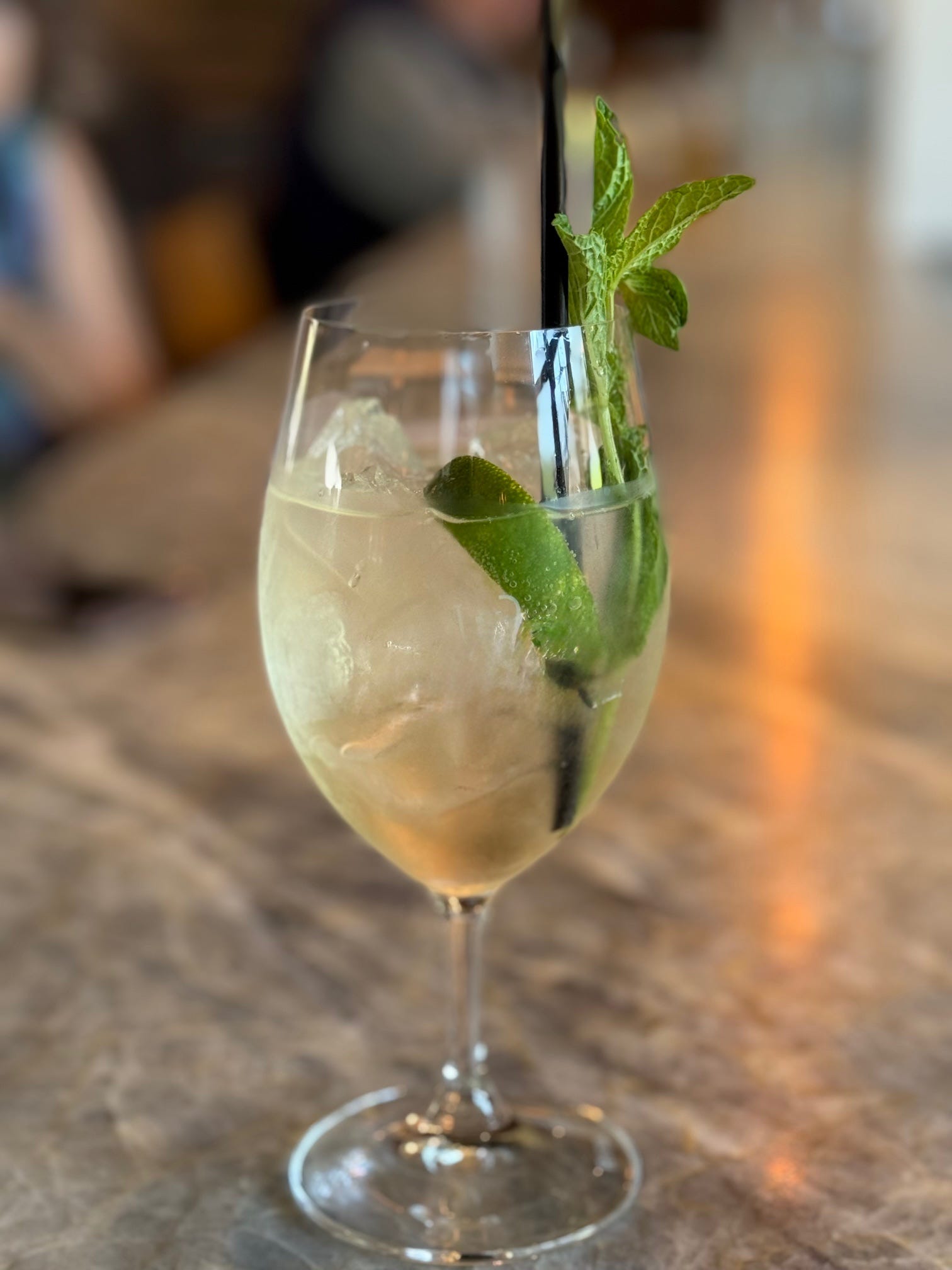
If adult beverages or boozy ice cream is more your idea of a good way to spend time in the garden this August, we have a wonderful opportunity to spend some time after hours at Morningsun Herb Farm. On Saturday, August 16th join me and Stefani Bittner from Homestead Design Collective for a ‘Botanical Cocktails and Boozy Ice Cream’ class. I think an herbal cocktail and some boozy ice cream while relaxing in the gardens after hours sounds like a great way to spend a Saturday night. Who knows, the donkeys may make a surprise appearance at your table (only water and fresh herbs for them). Click here for more information and to sign up.
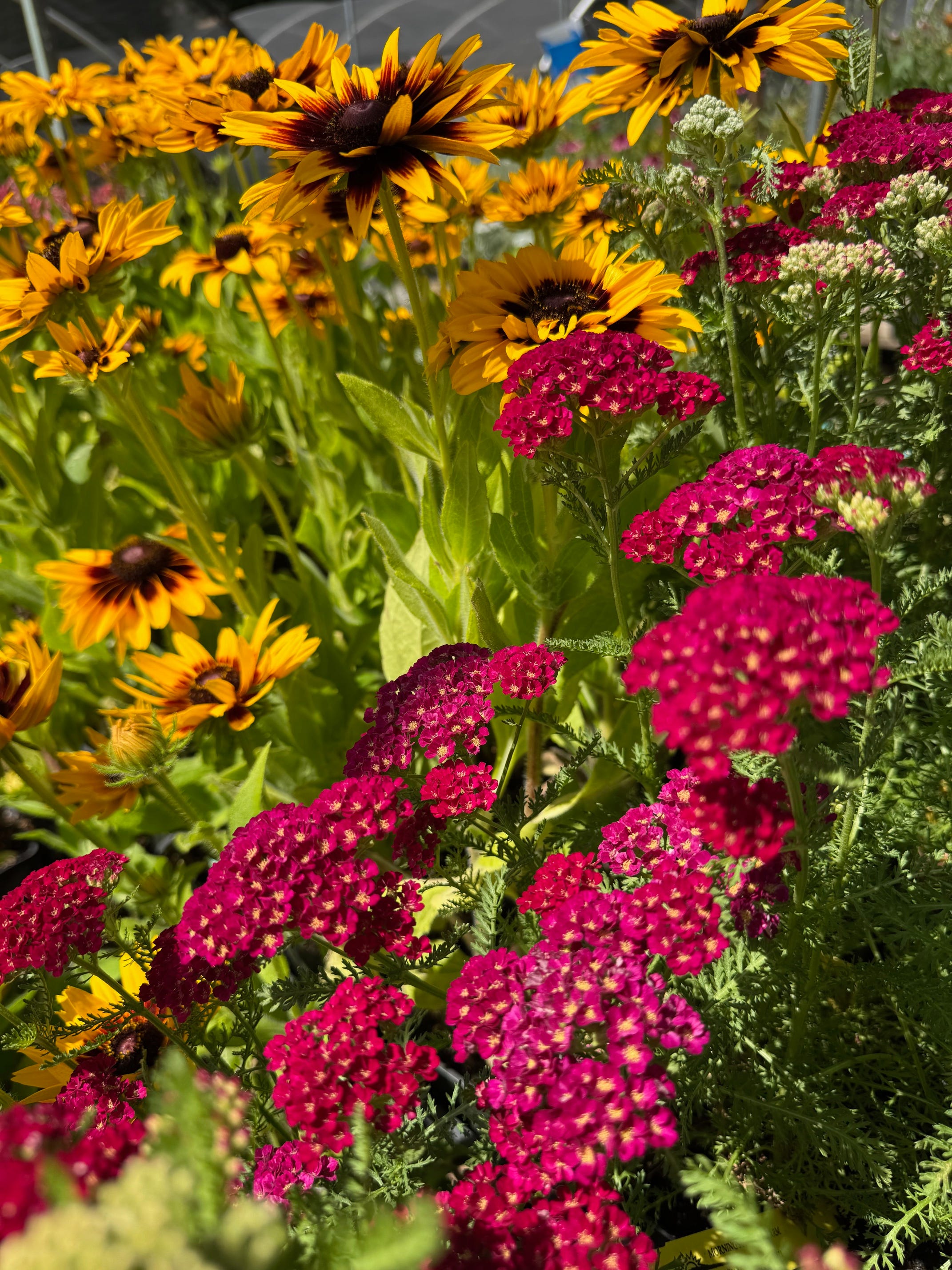
With these lovely temperatures we continue to remain well stocked with plants! Those of you who have followed us for years know there is a big fall plant sale coming up at the end of next month, but stay tuned for some teaser sales coming up in the next couple of weeks! And yes, fall vegetables are now a month away from the nursery tables. Ah, the cycle of life in the garden, don’t get too comfortable!
***************************************************************************************************************************
Summer Herb Growing FAQ’s
This is the time of year when the same questions come up many times regarding herbs and vegetables, so perhaps it is time to revisit some of these topics as we enter another summer of herb growing.
1. Why can’t I grow cilantro? You can, at your weekend home in Carmel. Cilantro is a cool season annual, it does not like temperatures over 90 degrees, and it prefers high humidity. Even in the shade, hot dry California summers are too much for the delicate nature of cilantro. Grow cilantro from transplants March thru mid June, and in the mid fall through early winter. If you insist on growing cilantro in the summer, direct sow or plant transplants in a shady well composted area of the garden, with ample water and fertilizer. Harvest as soon as you get several sets of leaves. If you continue to direct sow throughout the summer you can get a regular harvest. A great substitute to grow is Vietnamese coriander, also called rau ram or pak pai in Thailand. The botanical name is Polygonum odoratum – it is a knotweed, which often strikes fear in gardener’s hearts because knotweeds can be such vicious weeds. We have grown a stock plant of this in our demonstration garden for ten years, and it has stayed well behaved. Although it is listed as a tender perennial not liking extreme heat, it fares beautifully in our afternoon shade garden, and has returned from dormancy with flying colors the last 10 winters. I think it is a great cilantro substitute, with a pleasant lemony cilantro flavor. For our 2009 Open House we featured it in a salad recipe with jicama, red cabbage and carrot, and it was a big hit!
2. Why does my basil flower, and how do I make it stop (or is it too late?) Basil is a warm season annual, and its entire goal is to produce flowers, seed and die. Your entire goal is to stop it from producing flowers and keep it in vegetative growth. Any bit of stress will send basil into flowering mode – a dry down or lack of fertilizer is common, especially because we forget that basil prefers more water and fertilizer, especially nitrogen, than most other herbs we commonly grow. If your basil is flowering, prune back not just the blooms, but several sets of leaves, even up to half of the plant, and fertilize. Using a liquid fertilizer usually gets the fertilizer to the root zone more rapidly – try a sea kelp/fish emulsion blend at the recommended strength, or if you are using an inorganic such as Miracle Gro use it at half the recommended strength. We love to use a fertilizer called MaxSea which is a dry fertilizer that you mix with water that is terrific for leafy herbs like basil and parsley. Using a slow release granular fertilizer will give more gradual release of nutrients, but needs to be worked into the soil and watered in on a regular basis, usually once a month. In containers, fertilize basil every 2 weeks, and in the ground fertilize once a month. This is much more frequent than any of our perennial herbs, which we fertilize maybe once a year in the ground!
Basil also prefers more water than most herbs, in beds several times a week, and in containers often every 2 to 3 days.
If you are struggling with basil, try growing ‘Pesto Perpetuo’ which never blooms and is a bit more drought tolerant. Some basils such as African Blue are sterile and never produce seed, so allowing them to bloom doesn’t really affect the flavor of the leaf. And we can’t grow enough ‘Wild Magic’ and ‘Magic Mountain’ basil which produces blooms from April until December, and will grow well for culinary use until Christmas
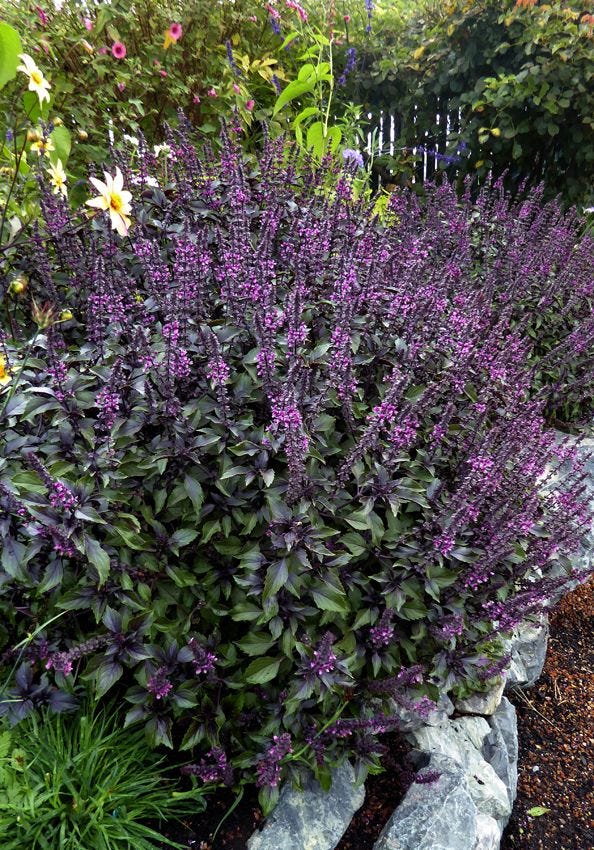
.3. My herbs are all blooming. Can I still use them? Although annual and biennial herbs such as basil, parsley and cilantro are grown for their leaves and are prevented from blooming because it terminates their life cycle and affects their flavor, perennial herbs are relatively unaffected by blooms. Although some energy goes into the bloom, and some people believe that the flavor of the leaves are affected, in truth most of us just don’t have that fine of a palate to tell the difference. Actually, any plant that you can eat the leaves, you can eat the flowers, and it is always a pleasant surprise for our garden tours to try the flowers of Italian oregano, thyme and rosemary! Herb flowers are sweet and robust flavored at the same time, adding complexity to a dish. Whereas the leaves of winter savory may be overpowering for grilled fish, the flowers have a spicy pepper kick, but also a nice mellow flavor to them that makes them very appealing for light summer fare.
My favorite flowers to cook with are winter savory, caraway thyme, Thai basil, Italian oregano, pineapple sage and any of Agastaches and Monarda. Besides the obvious place to use herbal flowers in vegetable salads, many herb flowers are excellent in fruit salads as well. Try the licorice scented flowers of Agastache ‘Pink Pearl’ mixed in with nectarines or peaches for a great kick, or cinnamon or lemon basil flowers mixed with butters to put on your morning toast and honey. An unusual treat are the flowers of Salvia melissodora, or Grape scented sage, which bloom all fall and winter with the delicious scent and flavor of grapes.
One other important note about herb flowers is that they bring visitors to the garden that both delight us and assist us with pollination. Basil and rosemary brings in honeybees and other pollinators, Agastache, Monarda, and Salvia are terrific for hummingbirds, and dill, lovage and parsley are important for both adults and the larval stages of butterflies.
4. I guess it’s too late to plant this year. Never, if you are reading this and you live in California. We live in the land of milk and honey. So long as water is available, you have an irrigation system in place during the hottest months of the year, and you aren’t slogging around in the mud compacting soil during the winter, there is always something you can be planting. In August I usually suggest to avoid planting the more difficult California natives and to wait to plant out heat intolerant vegetables until mid fall, but hardy perennials such as lavender, penstemon, sage, even daisy flower members such as Rudbeckia and Echinacea, will transplant fine so long as irrigation is available. Cutting back large leafy plants before transplanting may remove flowers, but will reduce transplant shock. Fall planting is the best and easiest time to plant most hardy perennials. Planting from mid September until early November allows even the brownest thumb out there the chance of success. So, if you don’t want to waste water getting plants established during the hottest part of the year, why not spend that time enjoying some herbal tea, mapping out your garden and planning for some fall planting. One of the best benefits from planting in the fall can be on your wallet, since almost all nurseries have great sales to promote fall planting and decrease inventory.
5. Why are my tomatoes not setting/not ripening? Well, it has been pretty pleasant lately, but cool evenings delay ripening. When night time temperatures are cool, fruit set and ripening is slowed. This is often more true of heirlooms than hybrids, while cherries often will set even under cooler conditions. Patience, and the long days of August will hopefully fix this problem.
6. Can I use fresh herbs for tea or do I have to dry it first? I am always surprised by this question, but it makes me realize that we are used to buying little packages of dried up stuff, and we are a little bit disconnected from our garden. Lemon verbena, which I think makes the most refreshing tea possible, is easy to grow and easy to use fresh in tea. Use 1 tbsp of fresh leaves or flowers for each 8 oz cup of tea. Squeeze or gently twist the leaves to release the oil, and place them in water that has been brought almost to a boil. Turn off the water (don’t boil the leaves and flowers) cover the pot and allow to steep for 5 to 10 minutes. Try some of the stranger plants you would never think of using for tea, like lemon basil or lemon thyme, which are both delicious after dinner digestive teas.
7. My lavender looks leggy/woody/old. When do I prune my lavender? The most serious pruning is done after bloom, and it should look rather sad looking after pruning. While you cannot prune below all of the green material and expect the plant to survive, you can prune down to just a few sets of leaves. Do this every time the lavender blooms and you will keep your plant looking compact and vigorous, and maximize the life span. After pruning, fertilize with an organic fertilizer that includes sea kelp (or at least use sea kelp) to minimize shock.
Of course, some lavenders seem to always be in bloom. Often French lavender, Goodwin Creek Grey lavender or sweet lavender will bloom even during the winter, so at some point you have to make the decision to go ahead and prune to shape the plant and remove spent blooms. I like to prune these lavenders in August even if they are blooming heavily, to be sure they are blooming with lovely flowers for November and December.
8. Can I leave this plant in the container I bought it in? Well, you can, but it will never flourish. Since our plants are grown in 3 or 4 inch pots, they are easy to transplant with a minimum amount of shock, but will definitely get root bound, get hungry, not be very productive, be more susceptible to disease and never give you all of the delicious flavorful foliage and flowers that you will want.
9. Why is my plant yellow? Generally, there is an easy answer for about 75 % of all those yellow plants, especially because they tend to be basil, tomatoes, other vegetables, or citrus where these symptoms first show up. My first question is always ‘How often are you fertilizing?’ followed by ‘Are you growing in the ground or in a pot?” This is often met with a surprised look, or with the statement “Never, do I need to?” the answer is yes, especially when these plants are grown in containers, thereby restricting the root system to a very small space. In general, lower leaves yellowing or overall yellowing tends to be a nitrogen deficiency, easily overcome with higher nitrogen fertilizers. If using organic fertilizers such as fish emulsion, it may need to be applied every several weeks during the growing season. Dry slow release fertilizers will need to be applied every 4 to 6 weeks. Faster acting inorganic fertilizers will overcome the symptoms more quickly, but any excess nitrogen is more quickly lost during watering. The best way to get an accurate diagnosis, of course, is to bring in a nice sized leaf sample showing the symptoms and some photographs to a nursery or ask a county Master Gardener.
10. Why did my plant die? Well, my first employee Pam would respond to this question with ‘Some plants have no will to live’. Of course, I used to hear her threatening plants that weren’t growing well with certain death, I guess scaring them into thriving was her version of tough love. When people ask me this question though, I usually have about 25 questions to ask them back. Remember, some plants only live one season, and some perennials, such as thyme, are short lived, usually only lasting 2 or 3 years. Of course, there is too much versus not enough water, root systems being girdled or eaten by gophers, insects, the accidental overspray with herbicide, too heavy pruning, ‘vacation neglect’, differences in watering and fertilizing needs in containers vs in ground growing, planting in the wrong place, plants being overtaken by other plants, the problems with neglect in general, weed whacker injuries, chemical overspray and a myriad of other possibilities!
When you have this question, I always suggest bringing in as much of the plant and its symptoms as possible. This includes roots if they appear affected. Also, the more information the better – it is a bit frustrating to be asked why a plant isn’t growing, ask 20 questions about it, and then finally have someone say, “well I planted it 2 weeks ago, I just thought I would see some growth by now”…ah, I never thought to ask if the gardener was impatient.
At the nursery we of course get many other questions during the growing season, but these ten probably make up at least 50% of those asked daily! I hope this helps answer some of the burning questions you have had this summer!
We continue our summer hours, open Wednesday - Sunday 9 am - 5 pm.